Alibaba


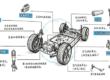
Beyond the much-watched “three-electric” systems (battery, motor and power electronics), a new energy vehicle carries hundreds of lubrication points throughout the body: chassis EMB/EPB braking systems, EPS steering mechanisms, door checkers, seat rails, window regulators, power tailgates, air-conditioning vents, exterior-mirror folding mechanisms, and more.
Operating conditions differ enormously from one location to another, and so do the demands placed on the lubricant — a single general-purpose grease can hardly cover them all.
NEVs also run quietly: the faint noises once masked by engine sound are directly amplified in an electric vehicle, turning noise reduction, protection and long service life from bonus features into hard requirements.
1. Operating Conditions Vary — Lubrication Needs Cannot Be Generalized
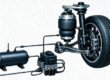
Chassis braking sits at the core of vehicle safety. EPB electronic-parking MGU gearboxes, EMB brake-by-wire gearboxes and ball screws, and caliper guide pins and pistons face prolonged high-low temperature cycling, moisture attack and contact with rubber seals — requiring a careful balance of water resistance, rubber compatibility and fretting-wear resistance.
Take EMB brake-by-wire as an example: it eliminates traditional hydraulic lines entirely, using a motor that drives a ball screw through a reduction gearbox to push the caliper. Friction characteristics feed directly back into motor current and control algorithms.
As ODR put it in an industry technical exchange: “In the hydraulic era, friction could be hidden; in the EMB era, friction is amplified.” Lubricating grease is no longer merely a wear-reducing auxiliary — it is a core element directly affecting braking response speed, control precision and system durability.
Interior and body accessories. The large number of plastic-on-plastic and plastic-on-metal friction pairs places core demands on lubricating grease: noise reduction, elimination of abnormal sounds, no corrosion of plastic parts and low volatility. Choosing the wrong grease can lead to anything from noisy seat adjustment and a sticking sunroof to swelling and cracking of plastic components.
Powertrain and electrical components, meanwhile, must satisfy multiple criteria at once, including copper-corrosion protection and stability across a wide temperature range.
2. Five Product Lines, with a Dedicated NEV Series in Parallel
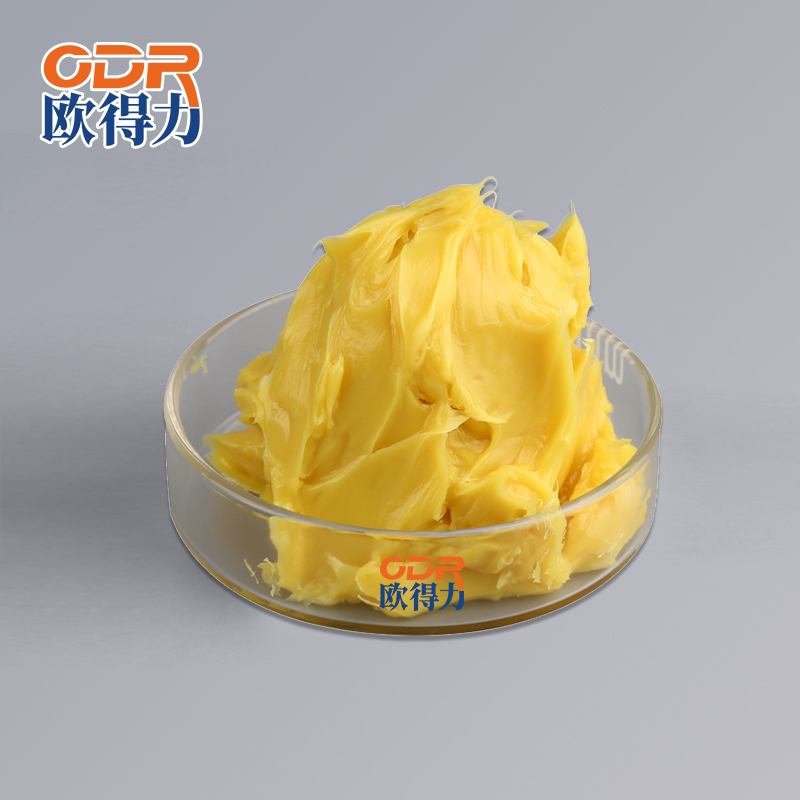
ODR automotive-component lubricating greases are organized by application scenario into five product lines — chassis, electrical systems, interior, exterior and powertrain — alongside a dedicated series developed specifically for new energy vehicles, together covering the vast majority of assembly-lubrication scenarios across the vehicle.
Braking. ODR offers EMB gearbox/screw grease, EPB-MGU grease, guide-pin grease and brake-pad anti-squeal grease, matching the new brake-by-wire technology roadmap.
The dedicated EMB grease uses a fully synthetic base-oil and high-performance thickener system, compounded with multifunctional additives for friction reduction, anti-wear and anti-oxidation — delivering four key capabilities: stable friction, wide-temperature adaptability, long-lasting durability and material compatibility.
Electrical mechanisms. Products cover wiper motors, mirror folding, door-lock motors, power-tailgate screws and gearboxes.
Cabin interiors. Seat-rail grease, door-checker grease and noise-reduction greases for vents and storage mechanisms target in-cabin abnormal sounds directly. The seat-rail grease, for example, has passed OEM odor-testing standards, delivering noise reduction while maintaining low odor and compatibility with plastic materials.
3. Testing Capability and Industry Collaboration Underpin a Trustworthy Domestic Solution
Operating under the IATF 16949 quality management system, ODR maintains a complete testing laboratory capable of full-dimensional tests including water-washout resistance, mechanical stability, oxidation stability and rubber-plastic compatibility, and supports custom formulation development.
To date, ODR has established cooperation with numerous companies across the automotive supply chain, with designated-supplier status secured on multiple projects. ODR has also been invited to the Automotive Intelligent Chassis Working Group meetings, joining OEMs and Tier-1 suppliers — including CATARC, BYD, Bosch, Volkswagen, Geely and Li Auto — in discussions on standards development for key technology areas such as brake-by-wire and steer-by-wire.
Against the backdrop of self-reliant upgrading across the NEV supply chain, learn more about our products and custom solutions at: https://www.odrgrease.com